Regime replay
Select environments such as Goldilocks Rotation, AI Mega-Cap Melt-Up, Rates Shock, Soft Landing Grind, and Range-Bound Chop.
See how the decision path changes with the market backdrop.Institutional AI decision infrastructure
AlphaWeave Capital plugs into the strategies, market data, risk controls, execution records, and reporting systems investment teams already use, then governs which assets, strategies, sleeves, and AI-assisted sizing changes deserve capital.

What it is
AlphaWeave Capital is designed for asset managers, bank trading teams, and quantamental groups that need AI-assisted allocation without losing governance. It turns signals, historical context, sleeve rules, risk caps, and model review into auditable trade decisions.
The platform can evaluate which strategy and asset should carry the sleeve at each decision point.
PSM means position size multiple. The overlay can press, reduce, or hold size inside policy and risk limits.
Trade tracker events, risk-capped weights, and run reports make the decision path inspectable after the fact.
Organize your work
A workspace gives a client or research project a home within your desk. It groups its runs, reports, and discussions so you can tell which work belongs together, find earlier results, and continue the same investigation without mixing unrelated projects.
Use a new workspace for a new client or a project that needs its own run history and discussions. For example, keep Client A research separate from an internal equity research project. Access follows configured user permissions and desk entitlements; creating a workspace does not grant access by itself.
Keep the current workspace when testing another strategy, changing assets, adjusting dates, or comparing backtests for the same project. You do not need a new workspace for every configuration or run.
The workspace identifies where the work belongs. The run configuration defines the portfolio through sleeves, basket legs, allocation groups, assets, and strategies. A run executes that configuration and produces results.
In the application: choose Create backtest to start the wizard. Select a workspace and click Next: Configuration, or create one with Create workspace and Next. Then choose or edit a configuration, review readiness, and start. My runs groups accessible runs by workspace; editing a run copy retains its original workspace without repeating the selection step. Workspace maintenance is separate: creating a workspace there does not automatically select it.
Keep portfolio decisions within configured exposure, position-size, drawdown, and mandate constraints. Risk controls constrain proposed allocations before execution, independently of AI-generated recommendations.
Decide where capital goes, how much is deployed, and why.
AlphaWeave connects asset and strategy selection to portfolio allocation. The capital management layer translates selected opportunities into position sizes within the configured capital budget, sleeve allocations, and portfolio limits.
These shared controls connect capital allocation with portfolio protection, from the initial budget through sizing, limits, and outcome review.
Start with the run's configured capital and cash reserve. These settings establish the budget for portfolio allocation.
A sleeve is a portion of the portfolio with its own assets and strategies. Allocation groups define how capital is distributed within the configured portfolio structure.
Translate the allocation into position weights. A position size multiplier (PSM) can increase or reduce the proposed size according to the configured policy and decision review.
Check proposed exposure against position, gross and net exposure, and other configured risk constraints. Sizing recommendations remain subject to the risk management layer.
Use trade events, portfolio weights, and capital-weighted reports to follow capital changes and assess the contribution of selection, sizing, and execution.
Capital management and risk management work together. Capital management determines the proposed allocation and size; risk management constrains what the portfolio is allowed to hold. AI-assisted conviction does not override those limits.
Why it matters
The institutional problem is not whether an LLM can produce an opinion. The problem is whether the opinion should alter capital, how much size it should receive, and whether the outcome can be explained to portfolio management, risk, compliance, and clients.
AlphaWeave makes the AI contribution measurable. It compares baseline strategy performance, asset switching, policy-only overlays, compact triage, and AI/PSM sizing so teams can keep what is economically useful and remove what is not.
Forward trade blotter
The full blotter replay shows how a sleeve can rotate among candidate assets and strategies, resize through position size multiple, update risk-capped weights, and leave an auditable trail of BUY, SELL, RESIZE, and NO_EXEC decisions.
Select environments such as Goldilocks Rotation, AI Mega-Cap Melt-Up, Rates Shock, Soft Landing Grind, and Range-Bound Chop.
See how the decision path changes with the market backdrop.Follow one sleeve through asset changes, strategy labels, risk-capped weights, PSM changes, and simulated position state.
Understand the difference between selection, sizing, and execution.Replay timestamped trade events and inspect the blotter rows, current event, event feed, capital path, and risk metrics.
Review what changed and why it was recorded.Enterprise deployment
The platform can run as a hosted application or inside a customer-controlled environment. Authentication, entitlements, usage metering, control databases, flat-file run exports, and dashboard replay support both operating models.
White-label strategy overlays, generate client-facing evidence, and show how asset selection, strategy selection, risk caps, and AI/PSM changed outcomes.
White-label allocation intelligenceDeploy behind the firewall with existing data, risk, execution, and compliance controls while preserving audit records for production runs.
Internal AI governance layerCombine systematic signals with AI review, policy simulation, risk-capped sizing, and replayable trade records.
Research-to-forward-test workflowOpen a topic for the complete explanation, illustrations, and interactive detail cards.
Product
AlphaWeave Capital is plug-and-play decision infrastructure for systematic allocation. It connects to the components institutions already have, then helps teams decide when a signal is worth capital, which asset or strategy should carry the exposure, and how much size the portfolio should allow.

The problem
Too many dashboards stop at BUY, SELL, or HOLD. AlphaWeave Capital asks which strategy to run, which assets to trade, and how much capital to deploy.
Good strategies still need allocation judgment. The platform checks market context, sleeve mandate, risk budget, similar history, and execution quality.
Performance needs attribution. See whether asset selection, strategy rotation, AI-assisted sizing, or execution actually added value.
Core value
AlphaWeave Capital gives research, portfolio, and risk teams a shared operating language across existing institutional systems: what changed, why the action is justified, what could go wrong, how much capital is allowed, and how the result will be measured.
Click a capability to see the business value.
Decision discipline
The platform is designed to avoid noisy churn. It behaves like a disciplined investment committee for systematic portfolios: change only when the evidence is strong enough, and preserve the reason when capital moves.
Click a policy area to see the target behavior.
AI controls
Organizational value
AlphaWeave Capital is not just an execution engine and not a packaged exposure product. It is designed to sit above existing strategies, data feeds, risk systems, and reporting workflows so teams can select the active strategy set, select assets, size conviction, enforce portfolio mandates, and measure which stage actually added return.
Execution is downstream of conviction, portfolio construction, and risk.
Rotations are evaluated against realized and shadow edge.
AI contributes review context inside a controlled process.
Where it fits
Large investment platforms prove that institutions value analytics, attribution, risk, and operating control. AlphaWeave Capital focuses that idea on systematic allocation decisions while remaining modular: connect the components already in place, then govern which assets, which strategies, how much conviction, and what actually improved performance.
Execution quality matters, but the bigger question is whether the strategy, asset, mandate, and conviction justify the allocation.
Instead of relying on fixed universes and fixed weights, the system reviews strategy fit, asset fit, and current market context.
AI helps summarize and compare evidence; deterministic controls preserve the audit trail and portfolio discipline.
Use AlphaWeave Capital behind the manager's brand to support proprietary strategies, model portfolios, risk oversight, and client-facing attribution.
White-label infrastructure
For asset managers, AlphaWeave Capital can operate as a branded allocation intelligence layer: ingest existing signals, apply approved risk and mandate constraints, produce BUY/SELL/HOLD/RESIZE rationale, and generate attribution that explains whether return and drawdown improvement came from strategy choice, asset choice, sizing, execution, or risk control.
Mandates
A sleeve is a portfolio mandate or allocation bucket with its own assets, strategy rules, risk limits, and execution intent.
Click a sleeve type to see how AlphaWeave Capital treats it.
Decision workflow
AlphaWeave Capital gives teams a repeatable decision layer between signal and trade without forcing a rip-and-replace architecture. It uses existing institutional inputs, then reviews each idea for evidence, asset fit, strategy fit, risk, history, and sizing so capital moves with more discipline and less improvisation.
The review loop
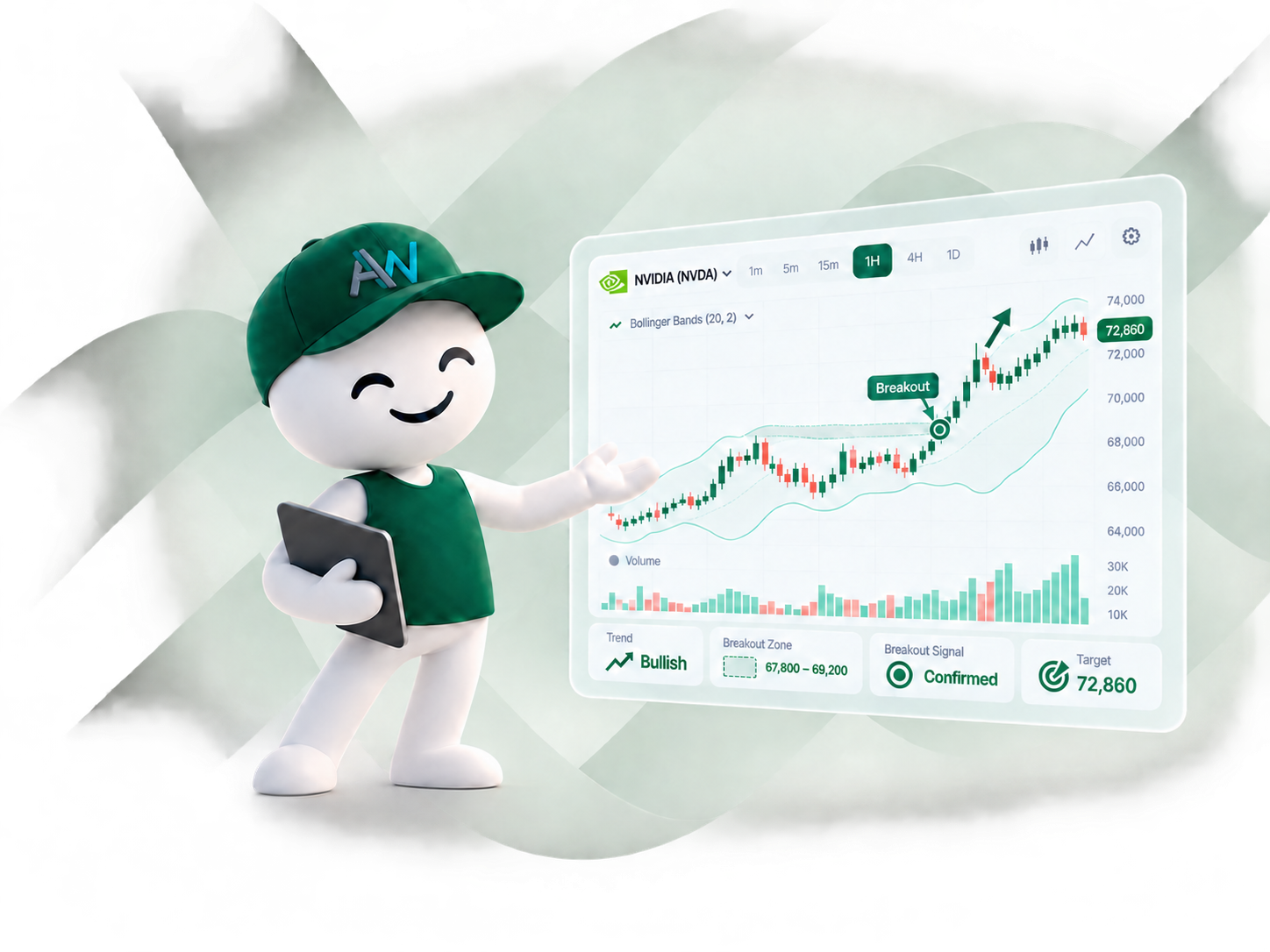
Start with the strategy output, then ask whether today's context supports acting on it.
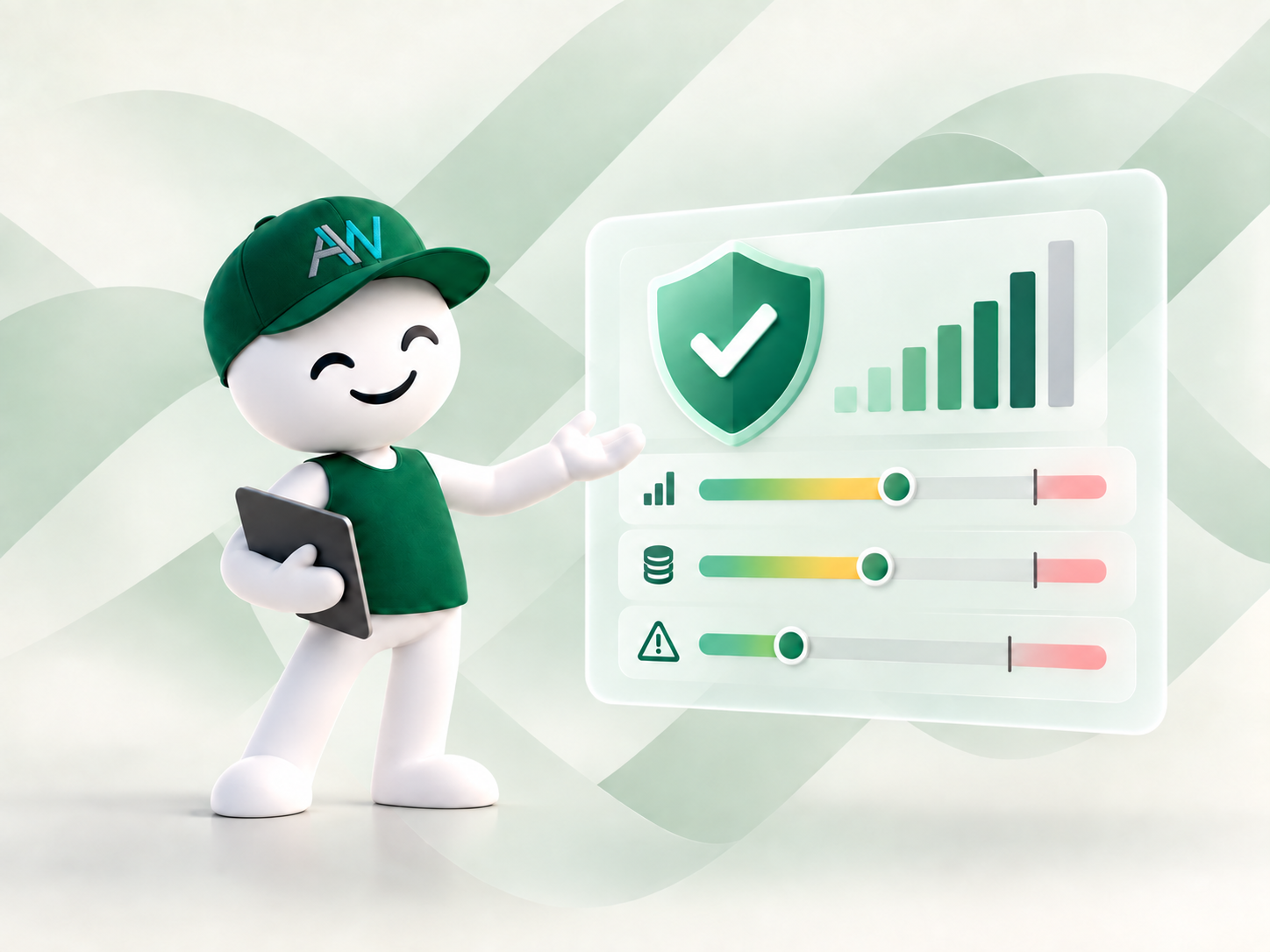
Before capital moves, exposure, drawdown, liquidity, net, gross, and beta constraints stay visible.

Each decision becomes part of the research memory, so the next review starts smarter.
Operating loop
The workflow creates consistency across researchers, portfolio managers, and risk reviewers. Everyone can see the same chain from evidence to action to outcome.
Click a workflow stage to see what it contributes.
Why it matters
AlphaWeave Capital separates the spark, the decision, the trade, and the realized result. That makes performance easier to explain because the team can see whether the idea was wrong, the decision was late, or the execution got in the way.
Operations
AlphaWeave Capital gives research and portfolio teams operating infrastructure for long allocation experiments. It plugs into existing configuration, data, run, report, and recovery workflows so teams can inspect what changed, reuse evidence safely, and explain whether asset selection, strategy selection, or AI-assisted sizing helped performance.
Click an operations surface to see what it controls.
Audit trail
When a run succeeds or disappoints, the team can review what happened instead of guessing. The pipeline preserves the context needed for research review, risk oversight, and management reporting.
Click a report artifact to see why it matters.
Diagnostics
The organization gets more than a performance number. It gets evidence about model behavior, cache reuse, chart interpretation, handoffs, execution state, and monthly contribution by stage.
Click a diagnostic report to see what it verifies.
Basket sleeves
AlphaWeave Capital extends allocation intelligence to market-neutral sleeves while plugging into the institution's existing data, hedge logic, risk limits, and reporting components. It reviews the long side, short side, spread, hedge, and realized contribution together so relative-value decisions stay balanced, explainable, and aligned with the mandate.
Organizational value
Relative-value strategies can fail quietly when the hedge stops behaving like a hedge. AlphaWeave Capital keeps the relationship, neutrality targets, and realized spread contribution visible to research, portfolio, and risk teams.
Click a basket capability to see how it supports relative-value decisions.
Example
A market-neutral sleeve is a portfolio mandate for a balanced basket. Instead of judging each asset alone, AlphaWeave Capital asks whether the relationship worked: did the long side help, did the short side hedge, did beta stay within mandate, and did the spread improve the portfolio?
Adaptive neutrality
Traditional market-neutral workflows can treat a pair as valid because it was valid before. AlphaWeave Capital keeps re-checking whether the relationship is stable, degrading, or improving, then adjusts basket construction, strategy choice, and conviction sizing.
A weak pair should not be treated as neutral just because it has two sides.
The same relationship can require different logic as the regime changes.
PSM helps balance opportunity and risk across long and short legs.
Architecture
AlphaWeave Capital breaks the path from signal to capital into visible reviewers, deterministic controls, and audit-ready reports. It is built to plug into institutional data, model, risk, execution, and reporting components so AI can help summarize and compare evidence without hiding the handoffs, attribution, or final allocation logic.
Select an architecture block to inspect its role in the system.
Why it matters
An agent is a software reviewer responsible for one part of the workflow. An LLM, or large language model, is an AI model trained to read and generate text; AlphaWeave Capital uses LLMs where judgment and summarization help, while rules handle the parts that must be exact.
Click an agent to see what it contributes to the chain.
Operational value
At each bar, AlphaWeave Capital loads data, selects assets, selects strategies, generates raw signals, triages whether deeper AI review is needed, converts conviction into portfolio intent, applies risk controls, and stores the outcome for future attribution.
Click a flow checkpoint to see why it matters.
Control plane
These controls make AI useful inside a governed process: outputs are parsed, expensive review is routed only when justified, and reused evidence is traceable instead of mysterious.
Click a control-plane block to see how it protects the system.
Why this architecture matters
Industry guidance keeps pointing to the same tension: AI can help process information faster, but trading teams still need explainability, model risk controls, data integrity, supervision, and decision attribution. AlphaWeave Capital is built around that reality.
AI workflows need review around explainability, data integrity, and privacy.
Trading controls Real-time controls stay central.AI trading needs monitoring and control frameworks, especially as models become less transparent.
Supervision Testing and explainability are not optional.AI use in financial workflows should be evaluated through governance, testing, and supervision.
AlphaWeave Capital is not trying to be a one-click trading oracle. It is strategy-agnostic, plug-and-play decision infrastructure: connect existing institutional components, review evidence, select assets and strategies, apply sleeve constraints, scale conviction through PSM, preserve the audit trail, and attribute what actually changed returns.
AI routing
A large language model, or LLM, is an AI model trained to read and generate text. AlphaWeave Capital uses LLMs like specialist analysts for summarizing evidence and comparing context, while rules handle selection, risk, caching, and reporting.
Click an item to see why it matters.